
Produce
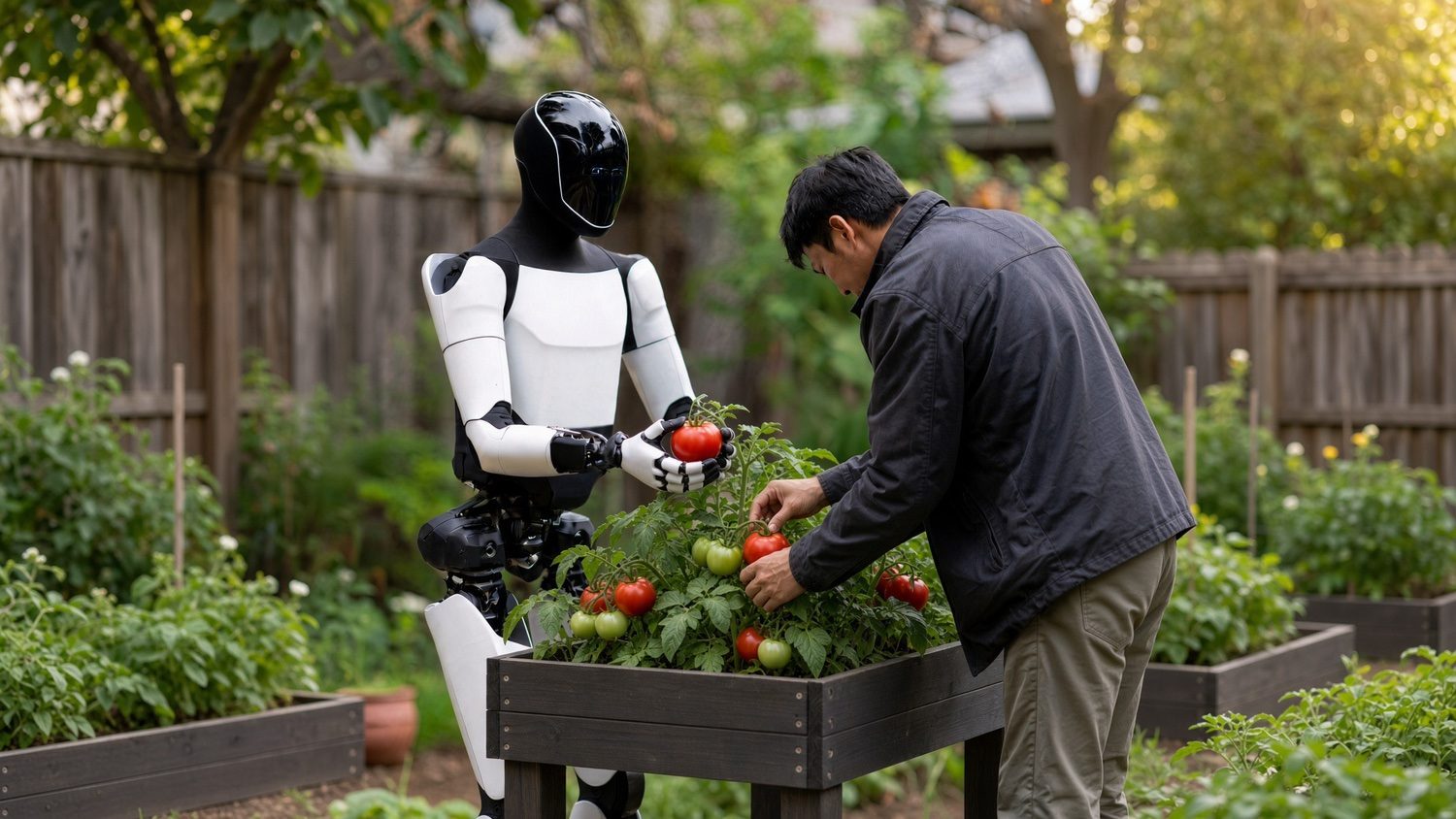
Install, operate, and harvest microfarms, hydroponics, and edible landscaping on unused land — backyards, parks, cemeteries, rooftops. Residents put land to work and save on the lawn care that land used to require. Produce is sold, and that sale is revenue.
Three options for micro farms.
- 01Free install, with zero return required from the homeowner.
- 02Pay at harvest.
- 03Homeowner pays 100% of the install in exchange for a profit share and a personal share of the crop.
A DIY backyard program sits alongside the operated sites. Help is a 24/7 chatbot, plus visual guidance from a phone camera or smart glasses.
Our beds
Two styles, built to last
The bed
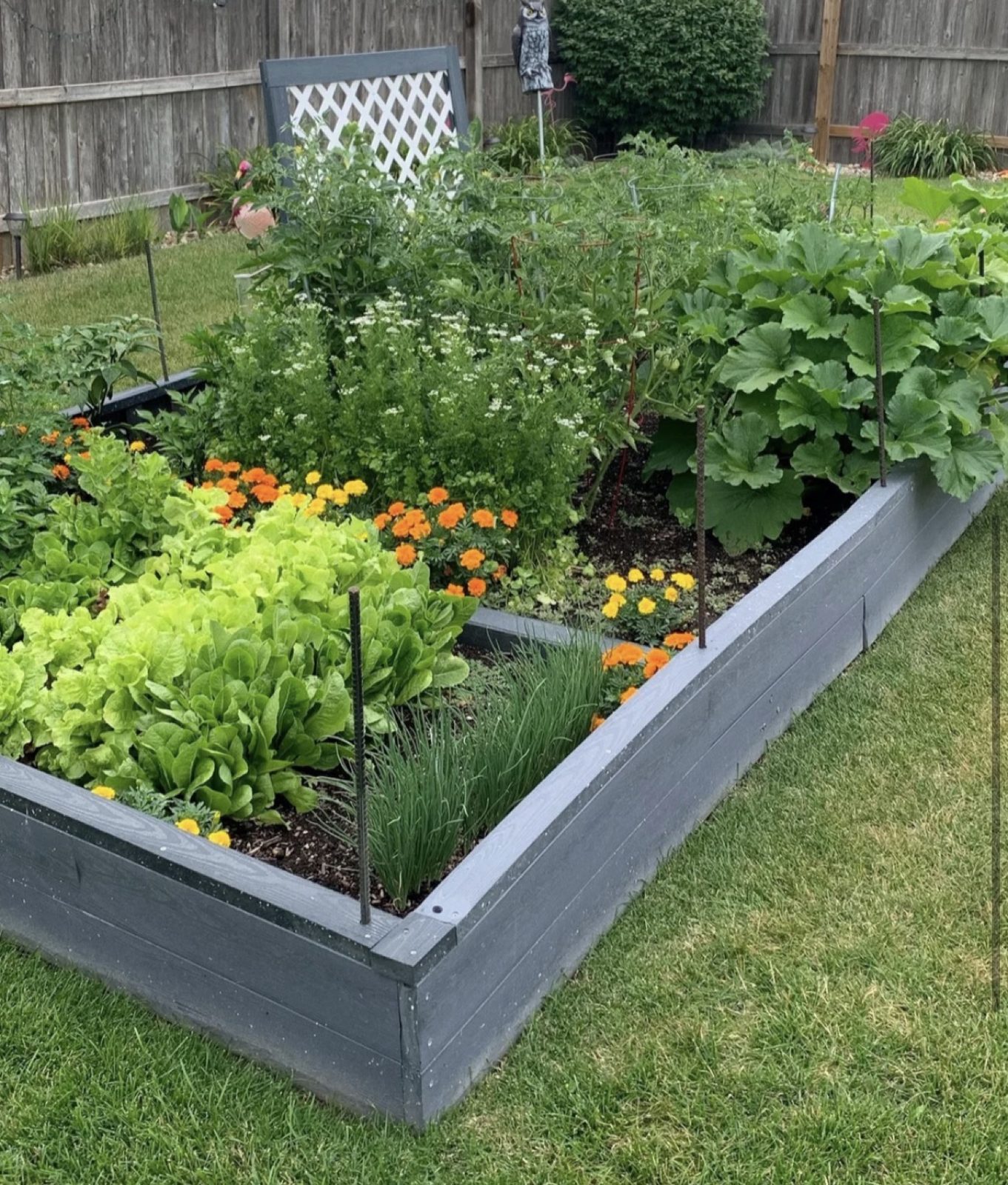
Abundance beds come in two styles, in-ground and raised on legs, each customized to the household and the yard.
Pictured: a 4×8 in-ground bed built from recycled plastic lumber made by Solutions Plastic in Omaha, assembled through a prison partner program.
The same recycled plastic lumber becomes benches, chairs and tables for the landscaping company.
What’s included
Everything from install to cleanup
- 01Bed install. An in-ground bed or a bed raised on legs, customized to your household and yard, set in a sunny spot.
- 02Soil. The bed is filled with soil and compost; a compost provider supplies compost directly into the microfarms.
- 03Planting plan. A crop plan for your beds, built around the season and what you want to eat.
- 04Seasonal planting. Cool-season crops in spring and fall, warm-season crops through summer.
- 05Maintenance visits. Regular visits for weeding, watering checks, feeding and pest watch. Trucks with water tanks run routes so sites have water.
- 06Harvest and produce handling. Crops are picked at peak, and produce is shared or sold according to the option you choose.
- 07End-of-season cleanup. Spent plants are cleared and the bed is put to rest for winter, ready for spring.
For host households
How it works, step by step
- 01Sign up and choose an option. Free install with zero return required, pay at harvest, or pay for the install in exchange for a profit share and a personal share of the crop.
- 02Site check. We pick the sunniest workable spot and the bed style that suits your household and yard: in-ground or raised on legs. Two or more beds per host is preferred.
- 03Install. The bed is built in your chosen style, set in the ground or raised on legs, and filled with soil and compost.
- 04Plant. We plant from your planting plan, then replant as the seasons change.
- 05Care through the season. Maintenance visits keep the beds healthy. Questions go to the 24/7 help chatbot, with visual guidance from a phone camera or smart glasses.
- 06Harvest. Produce is harvested and handled. Depending on your option, a personal share of the crop comes to you; produce is also sold.
- 07Cleanup. At season’s end the bed is cleaned out and readied for next year.
Abundance does not take over a garden unless the homeowner asks. A DIY backyard program is there for households who want to grow on their own.
What can grow
From salad greens to squash
In the bed pictured
- Lettuce
- Marigolds (flowers that help draw pollinators)
- Chives
- Squash
- Herbs
Common Nebraska garden crops
- Tomatoes
- Bell peppers
- Kale
- Green beans
- Cucumbers
- Zucchini
- Carrots
- Onions
- Basil
Estimate what your beds could grow, at today’s retail prices, in the household calculator. With its default crop mix, two beds come to about 26.6 lb of produce, worth about $53.90 a season. Yields vary with season, care, weather, variety and soil.
Bed specs
The details
| Size | 4 × 8 ft (32 sq ft) |
|---|---|
| Style | In-ground or raised on legs, customized to the household and yard |
| Material | Recycled plastic lumber, made by Solutions Plastic in Omaha |
| Assembly | Pictured in-ground bed assembled through a prison partner program |
| Beds per host | Two or more preferred |
| Soil | Soil and compost |