
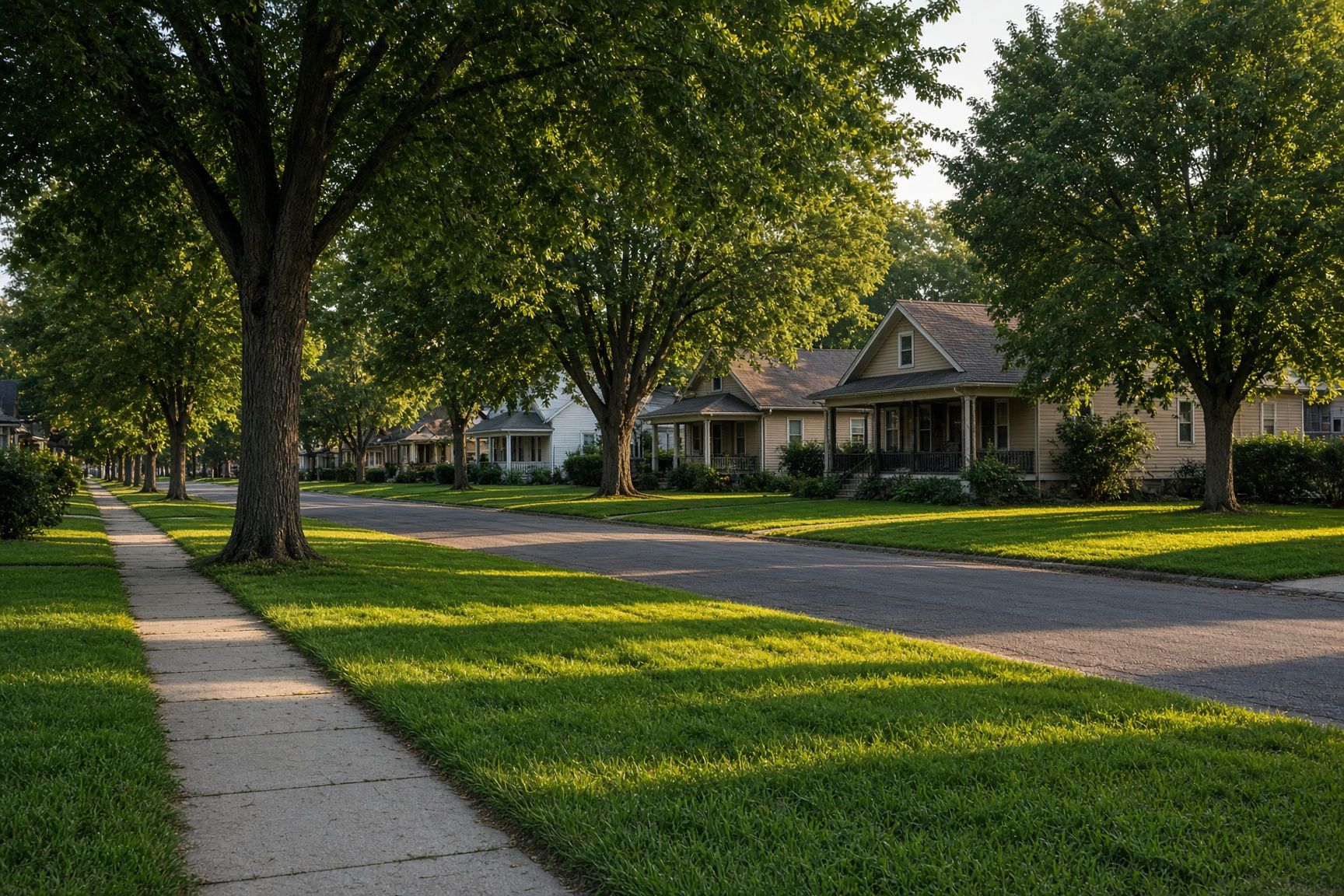
Lawn care is priced at cost. Mowing, fertilizer, cleanups, and snow carry no markup. Microfarms put unused land into food, and that food is sold. Those two are how a route gets full. They are not where the company makes its money.
Profit sits on work that is fully paid. Landscaping — design, hardscape, and outdoor living — is the primary revenue. Produce from the microfarms is a second line. A city that buys the service is a customer. When a superintelligent agent or an autonomous machine completes a paid task, Abundance takes a percentage of that transaction.
- LandscapingPrimary revenue. Fully paid.
- ProduceSold. Not treated as a cost center.
- City purchaseThe city buys the service and offers it to residents.
- Autonomous workA percentage of each superintelligent and autonomous transaction.
Density is the mechanism. Stops that sit close together cost less to serve than stops that are scattered. The difference is surplus. Surplus, recycled materials, food sales, and rewards are what reduce what a participating household pays. The direction is at-cost, then free, for people who take part. A markup left on lawn care would spend that surplus before it reached the house.
Rewards are for taking part: bundling services, joining a microfarm, referring a neighbor, contributing data, and using the robotics.